
BUDGETING & CASH FLOW
Budgeting should make money simpler, not become another job.
You do not need fifty categories or a daily spreadsheet habit. You need to know what comes in, what must go out, what does not happen every month, and what the remaining money is supposed to do.
THE WHOLE BUDGET
Four jobs. That is enough to start.
The budget is not a grade. It is a map of where the money already goes and what you want it to do next.
Build a useful budget in four steps.
Do not optimize percentages yet. Get the cash-flow picture right first.
-
1
Start with money you can actually spend.
Use take-home income, pension deposits, Social Security, or planned retirement transfers. Gross salary is not the amount available to pay bills.
Need the income number? Use the annual income calculator → -
2
Use real spending, not the budget you wish you had.
Look at the last month or two of bank and card activity. Start from reality, then change only the categories you actually want to change.
See the full spending-plan walkthrough → -
3
Add the bills that do not show up every month.
Home repairs, car repairs, insurance premiums, property taxes, travel, gifts and medical bills still belong in the plan. Divide annual or occasional costs into a monthly reserve.
Separate irregular spending from emergency reserves → -
4
Give the remaining money a job.
Save it, invest it, pay debt, build cash, spend it on something you value, or split it across several goals. Unassigned money tends to disappear into whatever is easiest.
Use the free worksheet + simple budget calculator →
THE 10-MINUTE CHECK
Income − monthly spending − irregular reserve = money still available to assign.
If that number is negative, you have a cash-flow problem to solve. If it is positive, the next question is what the surplus should do.
A USEFUL NEXT STEP
Get Financial Clarity →
Want one useful money decision at a time?
Financial Clarity is Michael's plain-English note on spending, retirement, taxes, investing and the decisions that are easier when the numbers are visible before you act.
Four short explainers for the moments budgeting usually breaks.
Each video has one job. Watch the one that matches the problem in front of you, then use the linked guide or tool.
START HERE
Create a spending plan without overcomplicating it.
Use actual cash flow, not a perfect spreadsheet. Then adjust the plan from what really happened.
Read the 5-step spending-plan guide →
SPENDING DRIFT
See how lifestyle creep quietly turns a raise into new fixed costs.
The problem is rarely one reckless purchase. It is a series of reasonable upgrades that become permanent.
Read the lifestyle-creep guide →
MORE INCOME
Do not let the entire raise become a more expensive lifestyle.
The Rule of Thirds gives new income three jobs before it quietly disappears into recurring spending.
See the Rule of Thirds →
BIG PURCHASE
A budget can survive a big purchase better when the price is not the only number you negotiate.
Car buying is a good example of why monthly payment, financing, trade-in and total price need to stay separate.
Read the 2026 car-price negotiation guide →Retirement budgeting is still the same four steps. Only the income source changes.
Instead of one paycheck, retirement cash flow may come from Social Security, pensions, cash reserves and portfolio withdrawals.
RELIABLE INCOME
Social Security + pension + other recurring cash
+
PORTFOLIO TRANSFER
What investments need to supply
=
SPENDABLE CASH FLOW
Monthly life + irregular reserve + goals
The budget tells you the cash-flow gap. It does not tell you whether the portfolio can safely support that withdrawal. That is a separate retirement-planning question.
Do not turn budgeting into a hobby.
Use the smallest tool that answers the decision. A worksheet is enough for some people. Others need a percentage check, savings target or cash reserve plan.
START HERE
Budget Worksheet + Simple Calculator
Compare take-home income, planned spending and actual spending. Then change the next month instead of starting over.
Open the worksheet →
BENCHMARK
50/30/20 Calculator
Use the percentages as a clue, not a grade. See which bucket is creating pressure and whether that pressure is temporary or structural.
Test your budget →
GOAL
Savings Goal Calculator
Turn an amount and deadline into the monthly or paycheck-by-paycheck pace required to reach it.
Set the pace →
CASH RESERVE
Emergency Fund Guide
Separate true emergencies from predictable irregular costs so the reserve does not get raided for bills that were always coming.
Build the reserve →
Read the guide that matches the reason it keeps breaking.
These are curated next reads, not another archive list.
FIX THE SYSTEM
7 Common Budgeting Mistakes (and How to Fix Them)
Use this when the budget looks good on paper but keeps falling apart. The common mistakes are usually structural, not a lack of discipline.
Read the guide →
INCOME WENT UP
Lifestyle Creep: How to Stop Spending Every Raise
Use this when a raise disappeared into a more expensive baseline. The goal is not to avoid upgrades. It is to choose them before they choose you.
Read the guide →
YOU WANT AN APP
Best Budgeting Apps of 2026: Find the One You’ll Actually Use
Use this when the real question is how much attention you want to give budgeting. Choose the system you will actually keep using.
Read the guide →
RESET SPENDING
No Spend Challenge 2026: Rules That Actually Work
Use this when spending has become automatic and you need a short reset to see what you actually miss, value or can cancel.
Read the guide →Newer guides and tools.
The steps above stay stable. This section keeps newer budgeting resources discoverable.
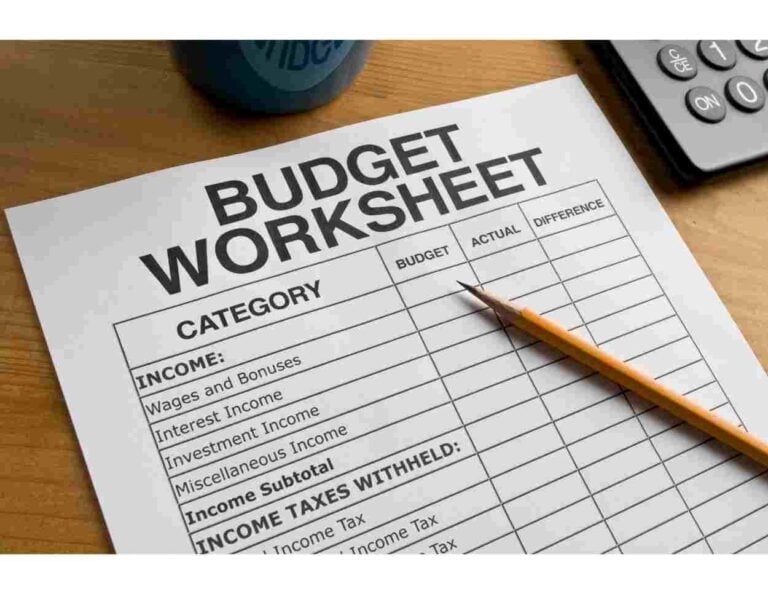
Free Budget Worksheet + Simple Budget Calculator That Actually Works
If you want a free budget worksheet that actually helps you make a decision, start with three things: your monthly take-home income, what you planned to spend, and what you actually spent. The difference between the plan and reality is where the useful information lives. Quick Answer This free budget worksheet is a simple monthly […]
 May 21, 2025
Best Rocket Money Alternatives 2026 – Planner’s Review
May 21, 2025
Best Rocket Money Alternatives 2026 – Planner’s Review
 May 21, 2025
No Spend Challenge 2026: Rules That Actually Work
May 21, 2025
No Spend Challenge 2026: Rules That Actually Work
 Apr 25, 2025
How to Save $10,000 in 6 Months, or Any Savings Goal & Deadline
Apr 25, 2025
How to Save $10,000 in 6 Months, or Any Savings Goal & Deadline
 Mar 18, 2025
How to Create a Spending Plan That Actually Works in 2026
Mar 18, 2025
How to Create a Spending Plan That Actually Works in 2026
 Dec 12, 2024
How to Cancel Rocket Money in 2026: Premium + Account
Dec 12, 2024
How to Cancel Rocket Money in 2026: Premium + Account
General financial education only. Examples are illustrations. Taxes, benefits, investment risk, household obligations and personal priorities can change the right cash-flow plan.